
In Nagano’s embrace, a secret tale unfolds,
Oyaki, a morsel steeped in history’s gold.
From mountain heights where whispers softly play,
A doughy dance of flavors in the fray.
Beneath the hands that knead and gently mold,
Seasons’ bounty, a story to be told.
The filling, nature’s gift in every bite,
A melody of taste, a pure delight.
In winter’s grasp, a sustenance conceived,
Preserving tales of lands where shadows grieve.
Grilled or baked, a ritual to embrace,
Oyaki, in simplicity, finds its grace.
Through centuries, this culinary art,
A sonnet written on the taste buds’ heart.
Oyaki, a traditional Japanese snack, has a history that dates back several centuries. Originating from the mountainous regions of Nagano Prefecture, oyaki has evolved from a humble, local dish to a beloved part of Japanese cuisine. The word “oyaki” itself means “grilled” or “baked,” reflecting the traditional method of preparation. Historically, oyaki was a practical solution for preserving and consuming seasonal ingredients, especially during harsh winters. The original filling consisted of foraged mountain vegetables, wild herbs, and locally sourced pickles encased in a simple wheat or buckwheat flour dough. Over time, oyaki recipes diversified, incorporating various ingredients such as sweet red bean paste, mushrooms, and even meat fillings. Today, oyaki has become a popular snack enjoyed across Japan, with regional variations adding unique flavors and ingredients to this delightful culinary tradition.
History and Preparation
Oyaki is the food Nagano is famous for. If you were to search for places that sell oyaki in Nagano, you list of restaurants, roadside stations, and stores would never end. There are numerous ways to prepare it and the different types and flavors are endless. “Oyaki” stands as the quintessential soul food of Shinshu, a testament to the region’s historical culinary ingenuity. In eras when Japan found itself enveloped by towering mountains and rice was scarce, soba and wheat emerged as staple substitutes. It was then the art of crafting oyaki flourished, becoming a distinctive representation of Shinshu’s culinary identity. The roots of oyaki delve into an era when resourcefulness and local ingredients shaped the gastronomic landscape.
The process of making oyaki encompasses a diverse array of techniques, yet the essence remains grounded in a harmonious marriage of vegetables and dough, creating a bun-like pocket of deliciousness. This meticulous preparation transforms simple elements into a culinary masterpiece. Oyaki encapsulates not only the flavors of the region but also the historical and cultural journey that has molded it into a cherished symbol of Shinshu’s distinctive flour-based cuisine.
Recommendations
I will say, I am very biased when it comes to my oyaki recommendations. When I moved to Nagano, I moved to a very small village called Ogawa. Ogawa claims to be the birthplace of oyaki and it is famous for a restaurant called Oyaki-Mura (Sho Jomon Oyaki Village of Shinshu Ogawa). Obviously, this is going to be my number one recommendation for oyaki. If you’re unable to make the trip out to Ogawa, there is a satellite store near Zenkoji in Nagano City. At Oyaki-Mura, you can try their 21 flavors of oyaki grilled in a cast iron pan over an open fire for 300 yen per oyaki. You also have the opportunity to take an oyaki-making class where you can form, grill, and eat two oyaki (nozawana and azuki) for only 1200 yen. The restaurant also offers other local dishes like soba noodles. You can also purchase frozen oyaki and other local goods in the store.
Here’s the list of oyaki flavors you can enjoy:
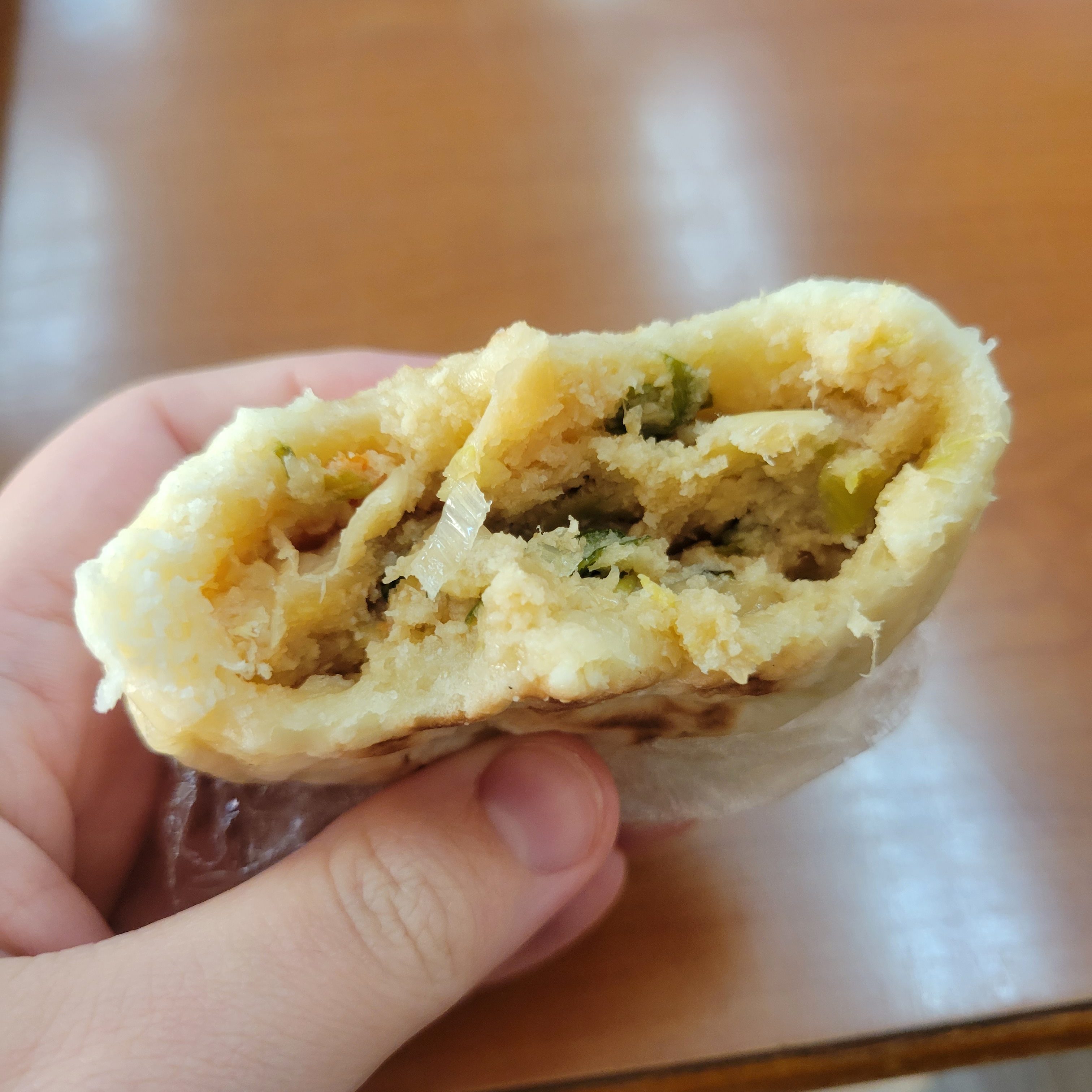
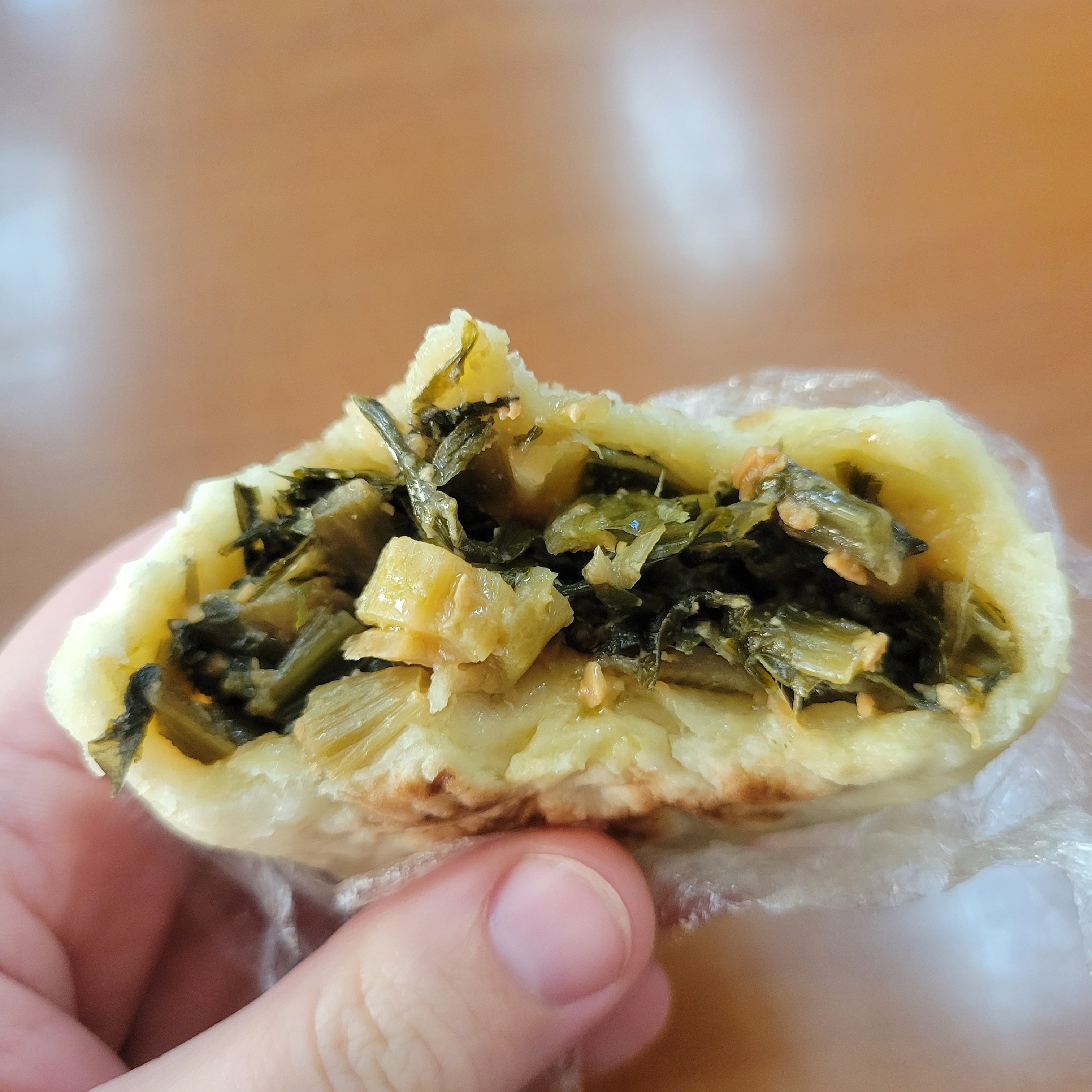
- Nozawana – This is the most popular. Nozawana is a famous mountain vegetable in Nagano Prefecture. It’s in the same family as mustard greens. Nozawana often comes pickled as a side dish to the main meal. In this oyaki, the leafy green vegetable offers a lightly-flavored, filling snack or side dish.
- Shimeji Vegetable – Mushrooms are another product that Nagano Prefecture has perfected. This oyaki features a mix of shimeji mushrooms and vegetables.
- Pumpkin – Pumpkin oyaki is a nice seasonal oyaki in the fall and winter. It is filling and carb-heavy. The pumpkin used is not as sweet as western pumpkins, which makes this oyaki a nice side dish to a meal.
- Azuki – This is the most popular flavor among my students. Azuki is a sweet bean usually used in desserts. This oyaki flavor is very filling and a nice way to finish off a meal.
- Dried Daikon Radish – This is one of my personal favorites. Kiriboshi Daikon is a method of preparation in which the daikon is dried then stewed. It usually has some other vegetables with it.
- Eggplant – Another one of my favorites. If you like eggplant, then you’ll like this. You can also sometimes find different eggplant flavors, like spicy and miso.
- Apple – A delicious sweet oyaki flavor. This one is a bit rare, as many Nagano residents have never had apple oyaki. It’s like a small apple pie.
- Vegetable Mix – It’s mixed vegetables.
- Kinpira – This is a braised burdock root mix. Burdock is a little woody and doesn’t have much flavor. This flavor usually includes a sweet soy sauce and sesame seeds as well as carrots.
- Hijiki – Hijiki is a type of seaweed. This oyaki is a vegetable mix including hijiki. It’s usually pretty salty.
- Spicy – This is a spicy vegetable mix. The type of vegetable changes.
- Unohana – Unohana is a salad containing vegetables and soy bean pulp. The soy beans are soft and the texture is really nice. It’s also very filling.
- Chive – This is an oyaki stuffed with nira (Chinese chives). It’s very similar to nozawana in texture, but with a lot more flavor.
- Spring Harvested Nozawana – The spring harvest of nozawana is usually more tender than other times of the year.
- Fukimiso – Fuki, also known as Japanese butterbur, is a type of mountain vegetable. It requires a lot of preparation and cooking to become edible, but the result is delicious and unlike anything I’ve had in the U.S. This oyaki flavor also includes a miso sauce.
- There are five other flavors on their website that I have not tried yet: Potato Corn, Buckwheat Skin Azuki, Six-Grain Chestnut Rice, Soba Skin Nozawana, and Cheese Pumpkin. I’m looking forward to trying them!
Oyaki-Mura
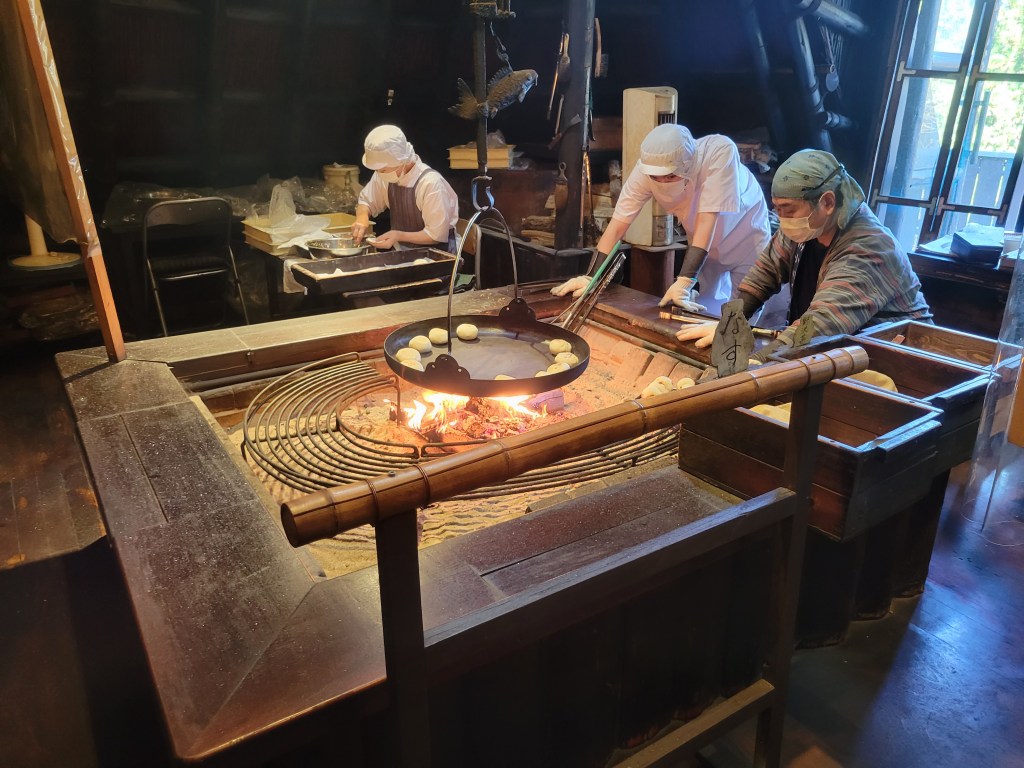
The company was established in 1986 and focuses on creating a workplace where village mothers and grandmothers can work actively throughout their lives. The company wants to revitalize the community by harnessing the village’s treasures, such as delicious mountain vegetables and mushrooms, in their product development.

 Sid in Japan
Leave a comment